欧·亨利小说中的叙事结构与伦理意识

打开文本图片集
中图分类号]I106 [文献标识码]A [文献编号] 1002-2643(2025)05-0099-10
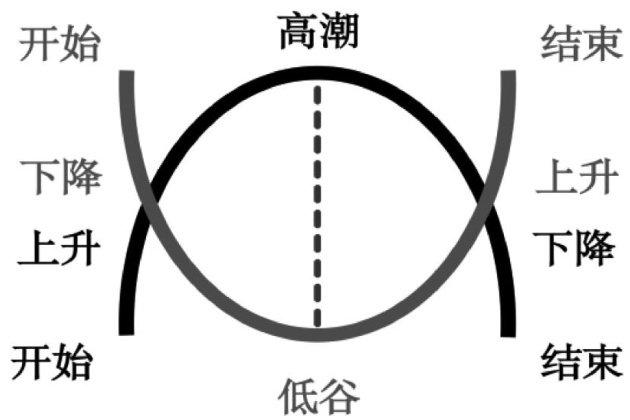
Abstract:The endings of O. Henry’s stories are renowned for their unexpected and thoughtprovoking narrative effects. This hallmark“O. Henry twist” highlights a dual-layered narrative structure: the use of u-shaped and n-shaped plot developments to drive the storyline,and interactive frameworks that engage readers’ subjectivity. Together, these elements foster a narrative ethics grounded in contingency. Within the specific historical context of the Gilded Age and the Progressive Era,O. Henry’s contingent narratives not only reveal the fragility of grand narratives but also underscore the fragmentation of everyday life. Distinct from fate-driven traditional heroic narratives, O.Henry skilfully weaves contingent events into the ordinary lives of minor characters,cultivating a profound ethical consciousness centered on the care for the marginalized. In this sense,the interplay between narrative structure and ethical consciousness in O. Henry's stories effectively constructs an “ethical laboratory,”offering contemporary readers an open space for ethical experience and critical reflection through textual engagement.
Key words: O. Henry’s stories; narrative structure; plot structure; contingent events;ethicalconsciousness
1.引言
“镀金时代"(GildedAge)到“进步时代”(ProgressiveEra)是19世纪末至20世纪初美国社会剧烈变革与矛盾交织的时期。(剩余11933字)
