运用BWM-IPA 方法的乡村温泉核心竞争力评价体系构建

打开文本图片集
中图分类号:TU984 文献标志码:A 文章编号:1000-5013(2025)06-0712-10
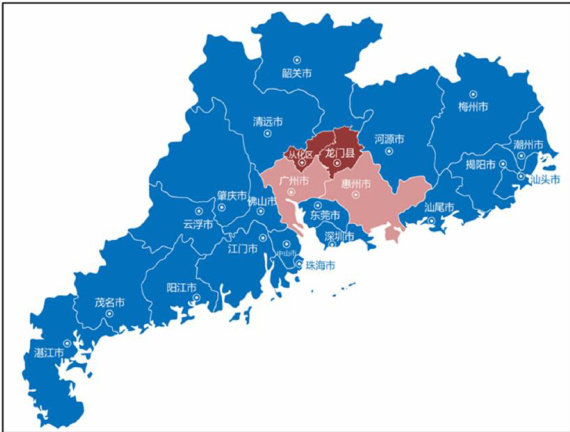
Abstract:To solve the shortcomings in plan and design,operation and management,and ecological protection of rural hot springs,12 key criteria afecting hot spring area development were identified,and a differentiated evaluation system based on regional characteristics was established. Integrating the best-worst method(BWM) and importance-performance analysis (IPA),expert questionnaires were conducted to quantitatively analyze the weights of each influencing criteria. Empirical validation was carried out using two typical cases in Conghua and Nankun Mountain,Guangdong,to assess the actual performance and importance levels of various elements.The results show that natural resources are the core foundation for the development of rural hot springs,and their quality and protection status are crucial. Inadequate development of cultural resources and insuficient supporting facilities such as transportation and accommodation are common shortcomings in both areas,constraining the depth of tourist experience and overallsatisfaction. Influenced by industry standards and the platform economy,certain elements within the management dimension (e.g.,safety and sanitation, marketing services)are prone to homogeneous competition. Diferences in infrastructure and market demand awareness between the two cases reveal specific challenges faced of hot spring areas at different development stages and locational conditions.
Keywords:rural hot springs;development and management;core competitiveness;best-worst method;importance-performance analysis;Conghua District;Nankun Mountain
中国乡村地区的温泉资源分布广泛,几乎覆盖全国各省。(剩余16063字)
