人鼻粘膜类器官EB病毒感染模型的建立

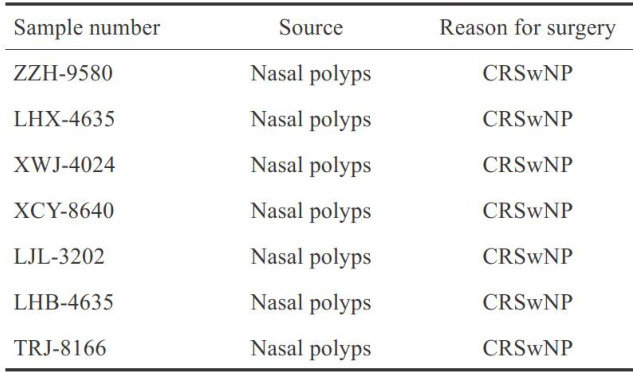
打开文本图片集
Abstract:ObjectiveTodevelopancost-effectiveandconvenient methodforculturing humannasalorganoids toestablishan in vitroEpstein-Barrvirus (EBV)infection model.Methods Nasal polyptisueobtained fromsurgerywasroutinely washed, cut,digestedandfiedtoainellustersecellstesretexpaeditoietedsaanis throughdynamicsuspensioncultureundermatrix-freeconditions,followedbya14-daydiferentiationinductiontreatmento obtaindiferentiatednasalorganoids.Themajorcellularcomponentsoftheorganoidswereidentifiedbyimmunofluorescence stainingandimmunohistochemistry.ThenasalorganoidswereinfectedbyEBVinvitroandviralreplicationwasverifiedby detecting the expresions of the virus-specific genes EBNA1 and BALF5 using RT-qPCR and immunofluorescence staining. ResultsNasal organoidsconsisting ofbasalcells,mucouscells,andciliatedcellsinamartigel-free systemwereobtained successfully bydynamicsuspensionculture.Tediferentiatednasal organoids expressedhigh levelsofEBV-associated receptorsEphA2,NRP1,andNMHI-A.Boththeundierentiatednderentiatednasalorganoidsouldbifetedby EBV.Viralreplicationinterganoidsicreasedwiththeviralexposureload,andthediferentiatedrganoidsappeardore permissive toviralreplication.Conclusion The matrigel-free dynamic suspension culture methd is economicaland simple forconstructingnasalorganoids,whichcanbeusedasamodelofEBVinfectionforstudiesofepithelialEBVinfection. Kevwords: organoids; Epstein-Barr virus; nasal mucosa
EB病毒(EBV)也称为人类疱疹病毒4(HHV-4),是γ⋅ -疱疹病毒家族的成员,于1964年在非洲儿童的伯基特淋巴瘤中被首次发现。(剩余12945字)