慢性术后痛小鼠痛行为时间动态特征及背根神经节关键物质筛选

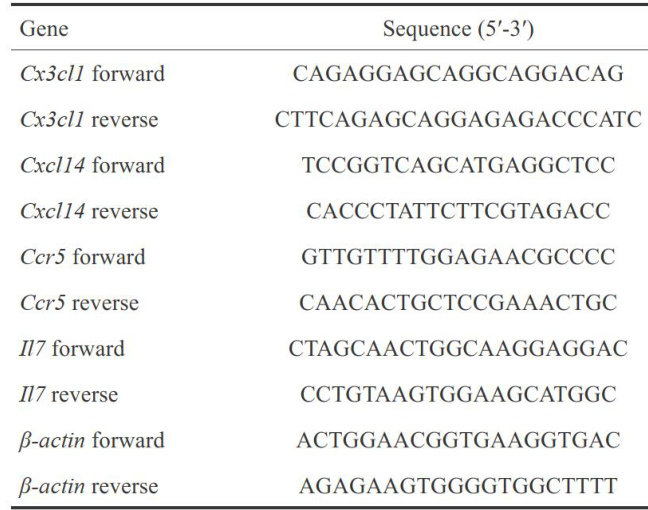
打开文本图片集
Abstract:ObjectiveToobserve temporalchangesofpain-relatedbehaviorsinmicewithchronicpostsurgicalpain (CPSP)and identifyitskeymediatorsinthedorsalrootganglion(DRG).MethodsInmousemodelsofCPSPinducedbyplantarincision (INC)followedbyadorsalfotinjectionofprostaglandinE2(PGE2)andsham-operatedmice,mechanicalpawwithdrawal thresholds (PWTs),thermalpawwithdrawal latencies (PWLs),andcold withdrawal durations (WDs)weremeasuredat diferen time points after modeling. Gene expression profiling of theDRG withRNAsequencing wasperformedonday1and day8after PGE2 injection.Bioinformatics analyses wereconductedto explorethekey mediatorsin the DRG for regulating CPSP,andtheandidategenesandproteis erevadatedusingRCRandELIA.eefectsofitrathecalijectioofa CX3CL1-neuralizingantibodyorJMS-17-2(a CX3CR1antagonist)onCPSPwereobserved.Results In CPSPmousemodels, incision-inducedpanwasresolvedwithin14daysandPWTsandWDsdecreasedprogresivelytillday10anddayafter PGE2injection,respectively,withoutsignificantchangesinPWLs.RNA-Seq identified975dierentiallyexpressdgenes (DEGs)on day1and 895on day8 following CPSPmodeling,including 524intersecting DEGs enriched incellmembrane, plasma membrane,and CX3C chemokine receptor binding. Cx3cll and Cxcl14 were the top two upregulated chemokinerelatedDEGsinearlyCPSP,whosemRNAandproteinexpresionincreasedignicantlyintheipsilateralDRGondybut declinedonday8.Intrathecal injectionof the CX3CL1-neutralizingantibody beforePGE2 injectionprevented CPSP
development,while JMS-17-2 partially reversed CPSP during the maintenance phase. Conclusion This CPSP mouse model shows persistent mechanical and cold allodyniaforatleast10daysafterPGE2injectionwithout significantchangesin heat hypersensitivity.CX3CL1and relatedchemokinesignalingintheDRGmaycontribute tothedevelopmentofCPSP.
Keywords:chronicpostsurgical pain; RNA-seq; chemokine;CX3CL1;CXCL14
世界卫生组织《国际疾病分类(ICD-11)》名录定义慢性术后疼痛(CPSP)是外科手术后出现或加剧并在伤口愈合过程后持续存在(至少3个月)的疼痛。(剩余19716字)