足细胞损伤机制及其治疗糖尿病肾病潜在策略的研究进展

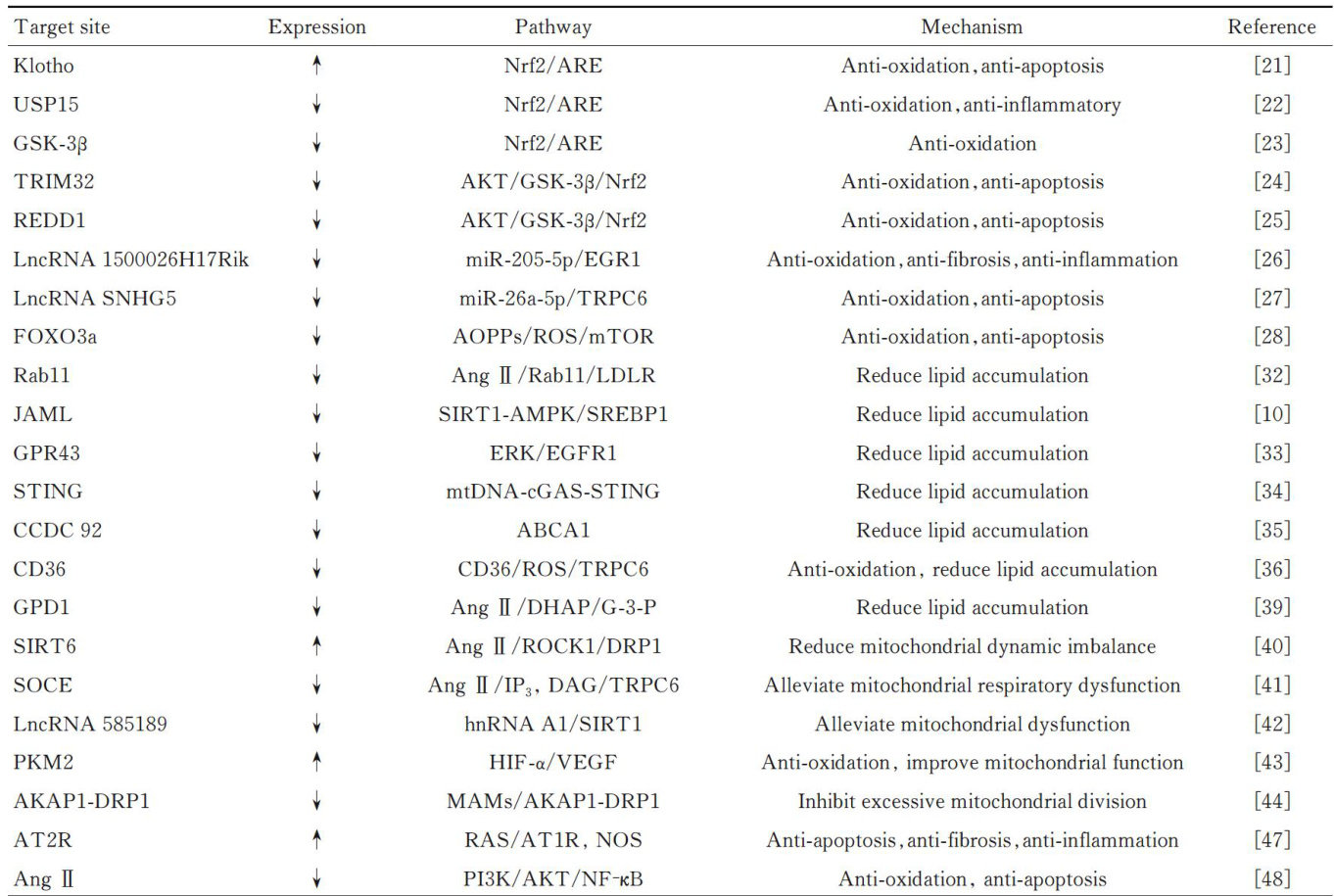
打开文本图片集
[中图分类号] R329.2 [文献标志码]A
Research progress in mechanism of podocyte injury and its potential therapeutic strategies for diabetic nephropathy
LU Xun,MA Chengxin,YANG Jianan,GUO Xinxin,XIE Xiaobei, ZHAO Binghai,LI Hongzhi (Jilin Province Science and Technology Innovation Center of Kidney Disease Precision Medicine Based on Gene Sequencing,School of Basic Medical Sciences,Beihua University, Jilin 132Ol1,China)
ABSTRACTDiabetic nephropathy (DN) is a significant causative factor of end-stage renal disease globally,and its pathogenesis involves dysregulation of multiple celular and hormonal pathways. Podocytes play crucial roles in the process of DN,with the extent of podocyte injury closely associated with key pathological manifestations of renal damage,such as proteinuria,glomerular filtration rate,and glomerulosclerosis.However,due to the complexityand interplay of mechanisms contributing to podocyte injury,such as oxidative stress,abnormal lipid metabolism,and mitochondrial damage,the precise mechanisms underlying podocyte injury remain incompletely understood.This review integrated the latest research findings from both domestic and international studies on the core mechanisms of podocyte injury in DN.Furthermore,this article summarized the implications of these mechanisms forDN treatment,particularly focusing on potential therapeutic targets and the development of related pharmacological interventions derived from targeting podocyte injury pathways,so asto provide a theoretical foundation for the development of clinical therapeutic strategies for DN.
KEYWORDS Podocyte; Injury mechanism; Diabetic nephropathy; Therapeutic target; Renin-angiotensin-aldosterone system;Mitochondrial damage
足细胞是一种具有特定功能和终末分化的肾小囊脏层上皮细胞,增殖能力较差;其位于肾小球基底膜的外表面,构成了肾小球滤过屏障结构的最外层,并通过裂孔隔膜在脂筏中的组装,在维持肾小球滤过屏障的完整性中发挥关键作用[1]。(剩余18676字)
