高龄(≥40岁)男性的多精受精指标可能与年轻男性并无显著差异:一项倾向性评分匹配研究

打开文本图片集
No difference in polyspermia index between older men(≥40 years) and younger men:a propensity score matching study
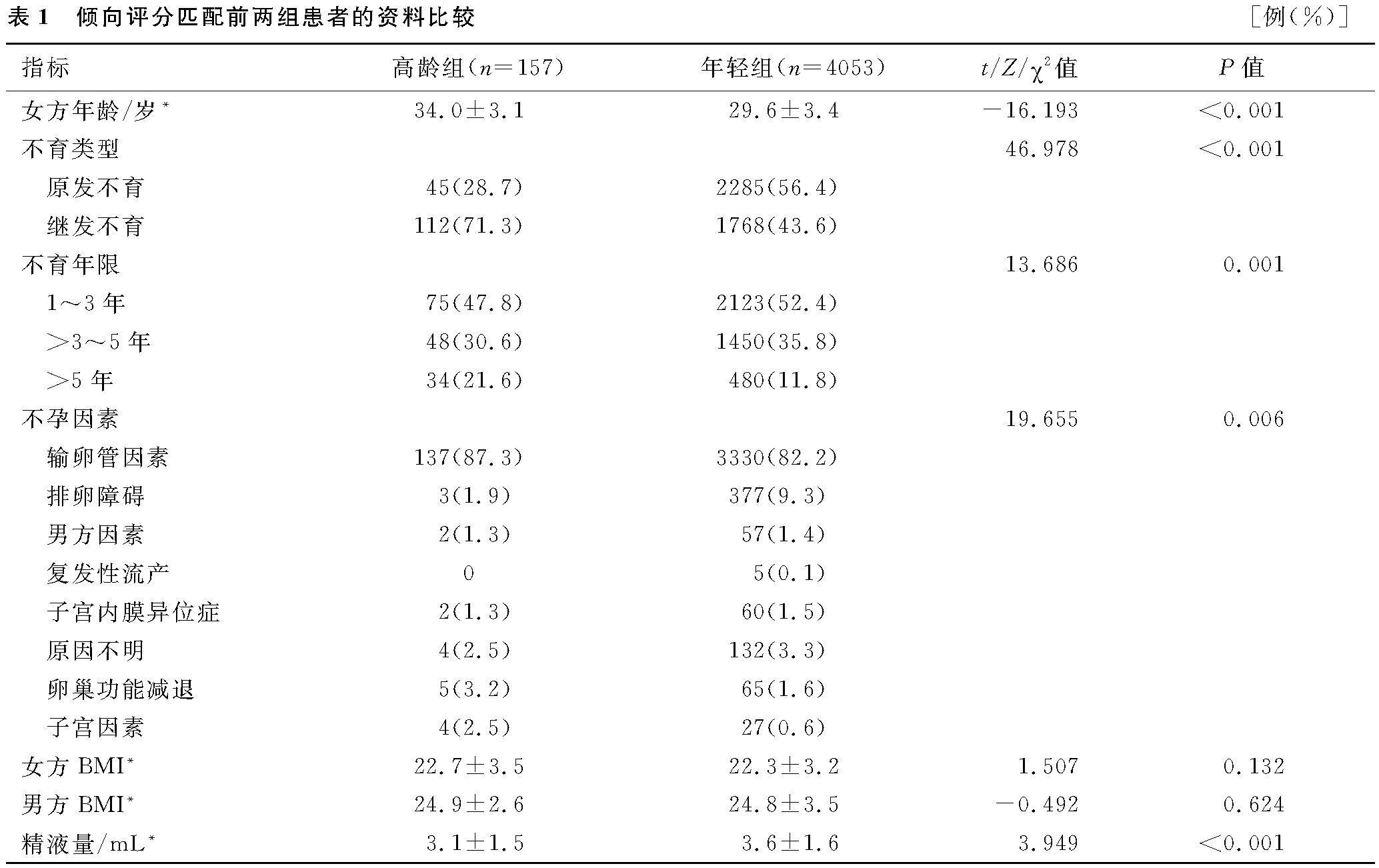
ABSTRACT:Objective To investigate the effects of advanced male age on the incidence of polyspermy fertilization.Methods The study involved data of 4210 in vitro fertilization (IVF) cycles treated in our center during Jan.2016 and Sep.2022,including 4053 patients younger than 40 years and 157 patients above 40 years.After propensity score matching,152 patients in the advance group and 421 in the young group were recruited.The baseline data and the difference in polyspermy fertilization rate were compared between the two groups.Results After propensity score matching,there were no significant differences between the two groups in terms of female age,infertility type,infertility years,infertility factors,female body mass index (BMI),male BMI,semen volume,semen pH value,sperm concentration,sperm motility,progressive motility rate,percentage of normal sperm morphology,number of fertilized eggs and number of MⅡ eggs (P>0.05).Among the 573 fresh IVF cycles,the rate of 3 PN cycles was 35.5%,and the incidence of polyspermy fertilization was 6.5%.There were no significant differences in the number of polyspermy fertilized eggs,transferable embryos,high-quality embryos,and blastocysts between the two groups.Conclusion Advanced male age has no significant effect on the incidence of polyspermy fertilization.
KEY WORDS:in vitro fertilization;multiple pronuclei;propensity score matching;transferable embryos;advanced male age
摘要:目的 探讨男性高龄因素对多精受精发生率的影响。(剩余8572字)
