利用人诱导多能干细胞构建的心脏类器官在心脏疾病建模及药物评价中的应用价值

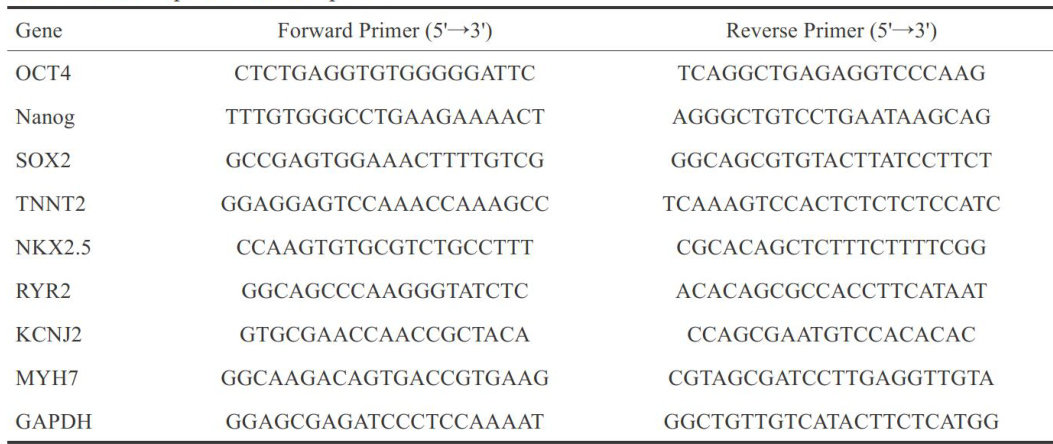
打开文本图片集
Abstract:ObjectiveToexplorethepotentialapplicationsofhumaninducedpluripotentstemcel-derivedcardiacorganoids in constructingcardiacinjurymodelsanddrug evaluation.MethodsCardiacorganoidsderived from theself-assembled human induced pluripotentstemcels wereconstructedbyregulatingthe Wntsignalingpathway.Flowcytometrywas usedtodetect the proportionofcardiomyocytes inthecardiacorganoids,andRT-qPCR wasemployedtodetectthemRNAexpressions. Immunofluorescencestaining wasused todetecttheproteinexpressionsof TNNT2,CD31,andvimentin.Thebeating amplitudeof thecardiacorganoids was determined withcalciumtransient.Invitromyocardialinjury models andischemiareperfusionmodels wereestablished,andthecellinjuries wereexaminedusingMassonstaining.TUNELstainingandcalcium transientdetectionwereusedtoevaluatetheadverseeffectsofdoxorubicinandtrastuzumabinthecardiacorganoids.Results Thecardiac organoids began to beat on the 8th day of culture and consisted of 32.4% cardiomyocyteswith high expressions of themyocardial markersTNNT2,NKX2.5,RYR2andKCNJ2.Nosignificantdiferencesinmorphological size,beating frequencyproportionofcardiomyocytes,or myocardial contractility wereobserved inthecardiacorganoidsdiferentiated fromdiferentbatches.Thesecardiacorganoidscouldbemaintainedininvitrocultureconditions foratleast5Odays. Captopril treatmentcouldobviouslyalleviateliquidnitrogen-inducedmyocardial injuryinthecardiacorganoids.Hypoxia/ reoxygenationinducedischemia-reperfusioninjuryandpromotedmyocardialfibrosisandapoptosis inthecardiacorganoids. Treatmentwithdoxorubicinfor 24h resultedin significantlyincreasedcell deathand reduced beating frequencyand cell viabilityinthecardiacorganoidsinadose-dependentmanner.Trastuzumabsignificantlyimpairedthecontractileandcalcium handlingabilitiesof thecardiacorganoids.Conclusion Cardiacorganoids derivedfrom human induced pluripotent stemcels have been successfully constructed and can be used for cardiac disease modeling and drug evaluation.
Keywords:human induced pluripotent stemcels;cardiacorganoids;diseasemodeling;drug evaluation
心血管疾病(CVDs)是全球首位疾病死亡因素,其发病率和死亡率仍在持续升高,目前仍缺乏有效的治疗手段和药物[1,2]。(剩余16878字)