自然共生视野下的东西方设计哲学异同
——以轻井泽石之教堂与千住博美术馆为例

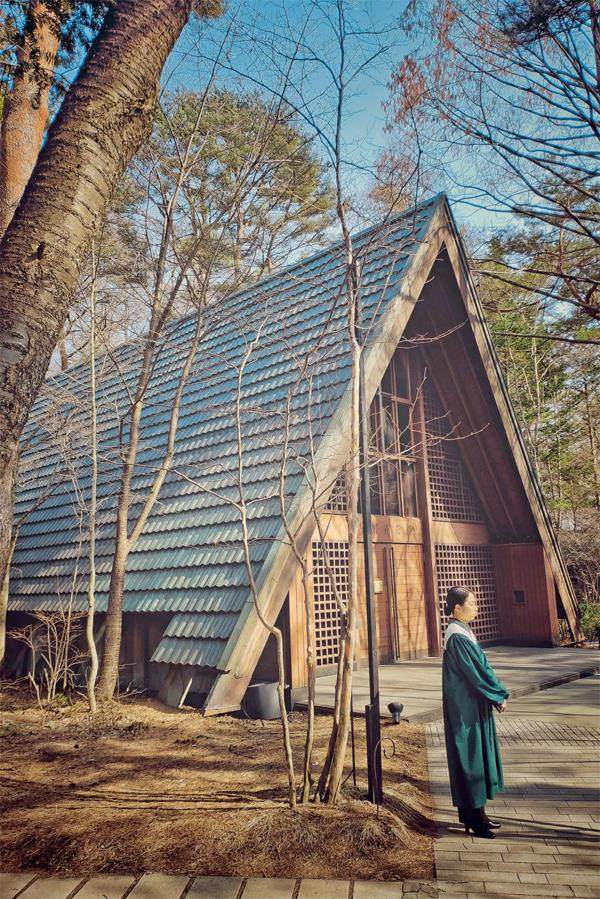
打开文本图片集
Following the Meiji Restoration and its “leaving Asiafor Europe” policy, Japanese architecture shifted fromtraditional wooden structures towards Western styles.With later economic growth and cultural self-awareness,it developed a unique architectural language, achievingglobal influence. The “symbiosis” philosophy of the Metabolism movement became a core concept, distinctfrom Western modernism. Despite shared environmental themes,Japanese and Western approaches differ significantly. This article compares the Stone Church andthe Hiroshi Senju Museum to illustrate these distinctiveJapanese characteristics.
一、共生思想
共生(symbiosis)的概念源于生物学,指两种密切接触的不同生物形成的互利关系。(剩余3635字)
